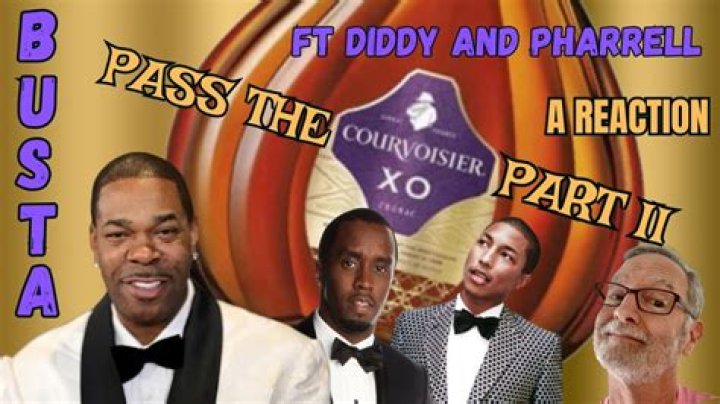
The song "Pass the Courvoisier, Part II" by Busta Rhymes featuring P. Diddy and Pharrell Williams is a cultural milestone in the world of hip-hop and pop music. Released in 2002, the track not only became a massive hit on the charts but also cemented the collaboration between three iconic figures in the music industry. This song is a perfect blend of rhythm, catchy lyrics, and the unique styles of each artist, making it a timeless piece that continues to resonate with audiences worldwide.
The collaboration among Busta Rhymes, P. Diddy, and Pharrell in "Pass the Courvoisier" brought a fresh sound to the music scene, combining elements of hip-hop, R&B, and pop. Each artist contributed their distinctive flair, resulting in a song that was both innovative and nostalgic. This track is notable for its infectious beat and memorable chorus, which features the smooth production skills of Pharrell and the Neptunes, alongside Busta's energetic delivery and Diddy's charismatic presence.
Beyond its musicality, "Pass the Courvoisier" also played a significant role in popularizing the luxury brand Courvoisier among hip-hop fans, demonstrating the power of music to influence consumer trends and culture. The song's success can be attributed to the synergy between the artists, the impeccable production, and the seamless blend of different musical styles. As we delve into the biographies and contributions of Busta Rhymes, P. Diddy, and Pharrell, we uncover the dynamic forces behind this iconic track and explore its lasting impact on music and culture.
Biography of Busta Rhymes
Busta Rhymes, born Trevor George Smith Jr. on May 20, 1972, in Brooklyn, New York, is a renowned American rapper, singer, and record producer. Known for his intricate rhyme schemes and energetic style, Busta Rhymes has left an indelible mark on the hip-hop industry. He first gained prominence as a member of the group Leaders of the New School, before embarking on a successful solo career. Over the years, Busta has released numerous albums and singles that have solidified his position as a hip-hop legend.
| Full Name | Trevor George Smith Jr. |
|---|---|
| Stage Name | Busta Rhymes |
| Date of Birth | May 20, 1972 |
| Place of Birth | Brooklyn, New York, USA |
| Occupation | Rapper, Singer, Record Producer |
| Genres | Hip-Hop, Rap, R&B |
Busta Rhymes' career is characterized by his ability to adapt to changing musical landscapes while maintaining his unique sound. His debut solo album, "The Coming," released in 1996, featured the hit single "Woo Hah!! Got You All in Check," which catapulted him to solo stardom. Throughout his career, Busta has collaborated with a wide range of artists across different genres, showcasing his versatility and appeal.
In addition to his musical achievements, Busta Rhymes is known for his dynamic live performances. His energetic stage presence and charismatic delivery have earned him a reputation as one of the best live performers in the industry. Busta's contributions to hip-hop have been recognized with numerous awards and nominations, further cementing his legacy as a pioneer in the genre.
Busta Rhymes continues to be a significant influence in the world of music, both as a performer and a cultural icon. His work with fellow artists, including the collaboration on "Pass the Courvoisier," highlights his ability to bring together diverse talents and create memorable music. As we explore the individual biographies and contributions of P. Diddy and Pharrell, we gain a deeper understanding of the collaborative magic that led to the creation of this iconic track.
Biography of P. Diddy
P. Diddy, born Sean John Combs on November 4, 1969, in Harlem, New York City, is an influential figure in the music industry, known for his work as a rapper, record producer, and entrepreneur. With a career spanning over three decades, P. Diddy has made significant contributions to hip-hop and pop music, as well as the business world. He is the founder of Bad Boy Records, a label that played a pivotal role in shaping the sound of 1990s hip-hop.
| Full Name | Sean John Combs |
|---|---|
| Stage Name | P. Diddy |
| Date of Birth | November 4, 1969 |
| Place of Birth | Harlem, New York City, USA |
| Occupation | Rapper, Record Producer, Entrepreneur |
| Genres | Hip-Hop, Rap, R&B |
P. Diddy's rise to fame began in the early 1990s when he worked as an intern at Uptown Records. His talent and business acumen quickly propelled him to the position of vice president, where he was instrumental in launching the careers of several artists, including Mary J. Blige and Jodeci. In 1993, he founded Bad Boy Records, which became a powerhouse in the music industry, launching the careers of iconic artists such as The Notorious B.I.G., Faith Evans, and Mase.
In addition to his work as a record producer, P. Diddy has had a successful career as a recording artist. His debut album, "No Way Out," released in 1997, won the Grammy Award for Best Rap Album and included the chart-topping single "I'll Be Missing You." Diddy's music is characterized by its catchy hooks, smooth production, and collaborations with a diverse range of artists.
Beyond music, P. Diddy is a successful entrepreneur with ventures in fashion, television, and spirits. His Sean John clothing line has received critical acclaim, and he has been involved in various television projects, including the reality series "Making the Band." His involvement in the spirits industry, particularly with the Ciroc vodka brand, showcases his ability to influence consumer trends and expand his brand beyond music.
P. Diddy's contribution to "Pass the Courvoisier" exemplifies his ability to collaborate with other artists and create music that resonates with audiences. His charisma and business savvy have made him a respected figure in the industry, and his legacy continues to inspire future generations of musicians and entrepreneurs.
Biography of Pharrell Williams
Pharrell Williams, born on April 5, 1973, in Virginia Beach, Virginia, is a multi-talented American musician, producer, and fashion designer. Known for his innovative production style and versatile musical abilities, Pharrell has been a driving force in the music industry for over two decades. As a member of the production duo The Neptunes, he has produced hit songs for a wide range of artists across different genres.
| Full Name | Pharrell Lanscilo Williams |
|---|---|
| Stage Name | Pharrell |
| Date of Birth | April 5, 1973 |
| Place of Birth | Virginia Beach, Virginia, USA |
| Occupation | Musician, Producer, Fashion Designer |
| Genres | Hip-Hop, R&B, Pop, Funk |
Pharrell first gained recognition as part of The Neptunes, alongside Chad Hugo. The duo produced numerous hits for artists such as Britney Spears, Justin Timberlake, and Jay-Z, earning them a reputation as one of the most successful production teams in music history. Their distinctive sound, characterized by catchy melodies and innovative beats, has had a lasting influence on the industry.
In addition to his work as a producer, Pharrell has achieved success as a solo artist and a member of the band N.E.R.D. His solo career took off with the release of his debut album, "In My Mind," in 2006. Pharrell's music is known for its upbeat and positive energy, as exemplified by his global hit "Happy," which became an anthem of joy and celebration.
Pharrell's influence extends beyond music into the realms of fashion and design. He has collaborated with several major brands, including Adidas and Chanel, and his clothing line, Billionaire Boys Club, has become a staple in streetwear fashion. His unique sense of style and creativity have made him a cultural icon and a trendsetter in both music and fashion.
Pharrell's contribution to "Pass the Courvoisier" showcases his ability to blend different musical styles and create a sound that is both timeless and contemporary. His collaboration with Busta Rhymes and P. Diddy on this track resulted in a hit that continues to be celebrated for its innovation and appeal. As we explore the dynamics of this collaboration, we gain a deeper understanding of the creative forces that brought "Pass the Courvoisier" to life.
The Collaborative Dynamics
The collaboration between Busta Rhymes, P. Diddy, and Pharrell Williams on "Pass the Courvoisier, Part II" is a testament to the power of musical synergy. Each artist brought their unique talents and perspectives to the table, resulting in a track that is greater than the sum of its parts. The song exemplifies how collaboration can lead to creative breakthroughs and produce music that resonates with audiences across generations.
Busta Rhymes, known for his dynamic and energetic style, set the tone for the track with his rapid-fire delivery and charismatic presence. His ability to weave intricate rhymes with ease provided the perfect foundation for the song's catchy chorus and infectious beat. Busta's leadership in this collaboration is evident in the seamless integration of each artist's contributions, creating a cohesive and engaging musical experience.
P. Diddy's involvement in the track added a layer of sophistication and flair, reflecting his status as a music mogul and influencer. His charismatic persona and business acumen were instrumental in shaping the song's appeal, particularly in the way it connected with audiences and influenced pop culture. Diddy's role in the collaboration highlights the importance of vision and direction in creating music that stands the test of time.
Pharrell Williams, with his innovative production style, provided the sonic landscape that brought "Pass the Courvoisier" to life. His ability to blend different musical elements, from hip-hop to R&B and pop, resulted in a sound that was both fresh and familiar. Pharrell's contribution to the track demonstrates the importance of creativity and experimentation in pushing the boundaries of music and creating something truly unique.
The collaborative dynamics of "Pass the Courvoisier" highlight the importance of teamwork and mutual respect in the creative process. Each artist's willingness to embrace different styles and ideas resulted in a track that is both innovative and timeless. This collaboration serves as a reminder of the power of music to bring people together and create something that resonates with audiences worldwide.
Musical Style and Innovation
"Pass the Courvoisier, Part II" is a masterclass in musical style and innovation, showcasing the unique talents of Busta Rhymes, P. Diddy, and Pharrell Williams. The track combines elements of hip-hop, R&B, and pop, resulting in a sound that is both fresh and timeless. Its infectious beat and catchy chorus have made it a staple in the playlists of music lovers around the world.
At the heart of the song's success is its innovative production, led by Pharrell Williams and The Neptunes. Their ability to blend different musical elements and create a cohesive sound is evident in the track's seamless transitions and layered instrumentation. The use of synthesizers, drum machines, and sampling techniques gives the song a polished and modern feel, while still maintaining the raw energy of hip-hop.
Busta Rhymes' dynamic delivery and intricate rhyme schemes are a highlight of the track, adding a sense of urgency and excitement to the music. His ability to switch between rapid-fire verses and smooth choruses showcases his versatility as an artist and adds depth to the song's narrative. Busta's performance is a testament to his skill as a rapper and his ability to connect with audiences through his music.
P. Diddy's contribution to the track adds a layer of sophistication and charisma, reflecting his status as a music mogul and influencer. His smooth delivery and confident persona complement the energetic style of Busta Rhymes, creating a dynamic contrast that enhances the overall sound of the track. Diddy's presence is a reminder of the importance of personality and flair in creating music that resonates with audiences.
The song's innovative style and production have had a lasting impact on the music industry, influencing future collaborations and inspiring artists to push the boundaries of their creativity. "Pass the Courvoisier" serves as a reminder of the power of music to transcend genres and create something that is both unique and universally appealing.
The Cultural Impact
"Pass the Courvoisier, Part II" is not just a hit song; it's a cultural phenomenon that has left a lasting impact on the music industry and pop culture. The track's success can be attributed to its infectious beat, catchy lyrics, and the star power of its collaborators. However, its influence extends beyond music, shaping fashion, consumer trends, and the way hip-hop is perceived globally.
One of the most notable cultural impacts of the song is its role in popularizing Courvoisier, a luxury cognac brand, among hip-hop fans. The repeated mention of the brand in the song's lyrics and title contributed to its association with the hip-hop lifestyle, leading to increased sales and visibility. This phenomenon highlights the power of music to influence consumer behavior and drive brand recognition.
The song also played a significant role in shaping the fashion trends of the early 2000s, with its music video featuring stylish attire and glamorous settings. The video's portrayal of luxury and sophistication resonated with audiences, influencing fashion choices and setting the tone for hip-hop culture during that era. The collaboration between Busta Rhymes, P. Diddy, and Pharrell further emphasized the importance of style and image in the music industry.
In addition to its influence on fashion and consumer trends, "Pass the Courvoisier" contributed to the global perception of hip-hop as a genre that can transcend cultural boundaries. The song's success on international charts and its continued popularity demonstrate the universal appeal of hip-hop music and its ability to connect with audiences worldwide. This cultural impact has paved the way for future collaborations and the global expansion of hip-hop as a dominant musical force.
The lasting cultural impact of "Pass the Courvoisier" is a testament to the power of collaboration and the influence of music on society. The track's ability to shape trends and resonate with audiences highlights the importance of creativity and innovation in the music industry, serving as an inspiration for future artists and collaborations.
Lyrical Analysis
The lyrics of "Pass the Courvoisier, Part II" are a key component of its success, contributing to its catchy and memorable nature. The song's lyrics, delivered by Busta Rhymes, P. Diddy, and Pharrell Williams, revolve around themes of celebration, luxury, and camaraderie. These themes are conveyed through a combination of clever wordplay, rhythmic flow, and engaging storytelling.
Busta Rhymes' verses are characterized by his signature rapid-fire delivery and intricate rhyme schemes. His lyrics paint a picture of an extravagant lifestyle, filled with parties, luxury brands, and high-energy events. Busta's ability to weave together vivid imagery and playful wordplay adds depth to the song's narrative and keeps listeners engaged from start to finish.
P. Diddy's contribution to the lyrics adds an element of charisma and sophistication, reflecting his persona as a music mogul and influencer. His verses complement Busta's energetic style, offering a smooth and confident delivery that enhances the song's overall appeal. Diddy's lyrics emphasize the importance of style, success, and living life to the fullest, resonating with audiences who aspire to the same ideals.
Pharrell Williams, known for his innovative approach to music, adds a touch of creativity and flair to the song's lyrics. His verses highlight the themes of friendship and collaboration, emphasizing the importance of coming together to celebrate and enjoy life. Pharrell's contribution reinforces the song's message of unity and positivity, making it a feel-good anthem for listeners.
The lyrical analysis of "Pass the Courvoisier" reveals the song's ability to capture the essence of hip-hop culture while maintaining a universal appeal. Its clever wordplay, engaging storytelling, and relatable themes contribute to its enduring popularity and influence in the music industry.
Production Details
The production of "Pass the Courvoisier, Part II" is a testament to the creative genius of Pharrell Williams and The Neptunes. Their innovative approach to music production resulted in a track that is both sonically captivating and rhythmically engaging. The song's production details highlight the meticulous attention to detail and the seamless integration of various musical elements.
At the core of the song's production is its infectious beat, characterized by a combination of synthesized sounds, drum machines, and live instrumentation. The use of layered percussion and rhythmic patterns creates a dynamic and energetic backdrop for the artists' vocals. This intricate production style is a hallmark of The Neptunes' work, showcasing their ability to craft beats that are both complex and accessible.
The song's arrangement features a blend of different musical styles, including hip-hop, R&B, and pop. This fusion of genres is achieved through the use of melodic hooks, catchy choruses, and smooth transitions between verses. The incorporation of live instruments, such as horns and strings, adds depth and richness to the track, enhancing its overall sound and appeal.
Pharrell's production expertise is evident in the way the song's elements are balanced and integrated. His ability to create a cohesive and polished sound is a testament to his skill as a producer and his understanding of what makes music resonate with audiences. The production details of "Pass the Courvoisier" demonstrate the importance of creativity, experimentation, and technical proficiency in crafting a hit song.
The meticulous production of "Pass the Courvoisier" has had a lasting impact on the music industry, influencing future collaborations and inspiring artists to explore new sonic landscapes. Its innovative sound and timeless appeal serve as a benchmark for excellence in music production, highlighting the power of creativity and collaboration in shaping the future of music.
Chart Performance and Reception
"Pass the Courvoisier, Part II" achieved significant commercial success upon its release, cementing its status as a hit song and a cultural phenomenon. The track's chart performance and reception reflect its widespread appeal and the impact of the collaboration between Busta Rhymes, P. Diddy, and Pharrell Williams.
The song debuted on the Billboard Hot 100 chart, where it quickly climbed the ranks, reaching the top 20. Its success on the charts can be attributed to its catchy chorus, infectious beat, and the star power of its collaborators. The track's popularity extended beyond the United States, charting in several countries worldwide and resonating with international audiences.
Critics and fans alike praised "Pass the Courvoisier" for its innovative production, engaging lyrics, and dynamic performances. The song received positive reviews from music critics, who highlighted its ability to blend different musical styles and create a sound that was both fresh and timeless. The collaboration between the artists was lauded for its synergy and creativity, resulting in a track that stood out in the crowded music landscape of the early 2000s.
The song's reception was further bolstered by its music video, which featured stylish visuals, glamorous settings, and captivating performances by Busta Rhymes, P. Diddy, and Pharrell. The video's portrayal of luxury and celebration resonated with audiences, contributing to the song's overall success and cultural impact.
The chart performance and reception of "Pass the Courvoisier" highlight its status as a significant milestone in the careers of Busta Rhymes, P. Diddy, and Pharrell Williams. The track's success serves as a testament to the power of collaboration and the enduring appeal of innovative and well-crafted music.
The Role of Courvoisier in Hip-Hop
The song "Pass the Courvoisier, Part II" played a pivotal role in popularizing the luxury cognac brand Courvoisier within the hip-hop community. The repeated mention of Courvoisier in the song's lyrics and title contributed to its association with the hip-hop lifestyle, leading to increased visibility and sales for the brand.
Courvoisier's role in hip-hop culture extends beyond its presence in the song. The brand has been embraced by artists and fans alike, becoming a symbol of luxury, sophistication, and celebration. Its association with hip-hop is a testament to the genre's influence on consumer trends and its ability to shape cultural perceptions of luxury and lifestyle.
The song's impact on Courvoisier's popularity highlights the power of music to influence consumer behavior and drive brand recognition. The collaboration between Busta Rhymes, P. Diddy, and Pharrell Williams in "Pass the Courvoisier" serves as an example of how music can transcend its traditional boundaries and become a powerful marketing tool.
The role of Courvoisier in hip-hop culture is a reflection of the genre's ability to elevate brands and create lasting cultural associations. The success of "Pass the Courvoisier" demonstrates the potential for music to shape consumer trends and influence the way luxury brands are perceived and embraced by audiences worldwide.
Music Video and Visual Storytelling
The music video for "Pass the Courvoisier, Part II" is a visual feast that complements the song's themes of celebration, luxury, and camaraderie. Directed by Chris Robinson, the video features stylish visuals, glamorous settings, and captivating performances by Busta Rhymes, P. Diddy, and Pharrell Williams.
The video's narrative revolves around an extravagant party, showcasing scenes of dancing, laughter, and enjoyment. The opulent settings, including luxurious mansions and elegant ballrooms, reflect the song's themes of sophistication and high living. The use of vibrant colors, dynamic camera angles, and creative editing techniques adds to the video's visual appeal, making it a memorable and engaging experience for viewers.
Each artist's performance in the video highlights their individual style and charisma, contributing to the overall impact of the visual storytelling. Busta Rhymes' energetic presence and dynamic movements capture the essence of the track's lively and upbeat nature. P. Diddy's smooth and confident demeanor adds a layer of sophistication and flair, while Pharrell's creative and innovative approach enhances the video's artistic appeal.
The music video for "Pass the Courvoisier" serves as an extension of the song's cultural impact, reinforcing its themes and enhancing its appeal to audiences. Its stylish visuals and engaging storytelling have contributed to the track's lasting popularity and influence in the music industry.
Influence on Future Collaborations
The collaboration between Busta Rhymes, P. Diddy, and Pharrell Williams on "Pass the Courvoisier, Part II" has had a lasting influence on future collaborations in the music industry. The track's success demonstrated the power of bringing together diverse talents and perspectives, resulting in a creative synergy that resonates with audiences.
"Pass the Courvoisier" set a benchmark for future collaborations, inspiring artists to explore new creative possibilities and push the boundaries of their musical styles. The track's innovative production, engaging lyrics, and dynamic performances have served as a blueprint for successful collaborations, encouraging artists to experiment and take risks in their music.
The song's influence can be seen in the numerous collaborations that followed, featuring artists from different genres and backgrounds coming together to create music that transcends traditional boundaries. The success of "Pass the Courvoisier" highlighted the importance of teamwork, mutual respect, and creativity in the collaborative process, inspiring future generations of musicians to explore new artistic possibilities.
The legacy of "Pass the Courvoisier" as a trailblazer in collaborative music continues to inspire artists and producers to this day. Its impact on the music industry serves as a reminder of the potential for collaboration to create something truly unique and enduring, resonating with audiences worldwide and shaping the future of music.
Fan Reactions and Community Engagement
The release of "Pass the Courvoisier, Part II" was met with enthusiastic reactions from fans and the music community alike. The track's infectious beat, catchy lyrics, and star-studded collaboration resonated with audiences, resulting in widespread acclaim and engagement.
Fans praised the song for its innovative production and dynamic performances, highlighting the synergy between Busta Rhymes, P. Diddy, and Pharrell Williams. The track's ability to capture the essence of hip-hop culture while maintaining a universal appeal was a key factor in its popularity and success.
The music video further amplified fan reactions, with its stylish visuals and engaging storytelling enhancing the song's appeal. The video's portrayal of luxury and celebration resonated with audiences, contributing to the track's cultural impact and its status as a feel-good anthem.
Community engagement around "Pass the Courvoisier" extended beyond the music itself, with fans embracing the song's themes and incorporating them into their own lives. The track's association with Courvoisier and its portrayal of a luxurious lifestyle influenced fashion trends, consumer behavior, and the way hip-hop culture was perceived.
The enthusiastic fan reactions and community engagement around "Pass the Courvoisier" serve as a testament to the track's enduring popularity and influence. Its ability to connect with audiences and inspire positive engagement highlights the power of music to bring people together and create lasting cultural connections.
Legacy and Lasting Impact
The legacy of "Pass the Courvoisier, Part II" is a testament to its enduring impact on the music industry and pop culture. The track's success and influence have left a lasting impression on the careers of Busta Rhymes, P. Diddy, and Pharrell Williams, as well as on the broader landscape of hip-hop and pop music.
The song's innovative production, engaging lyrics, and dynamic performances have set a benchmark for future collaborations, inspiring artists to explore new creative possibilities and push the boundaries of their musical styles. Its influence can be seen in the numerous collaborations that followed, featuring artists from different genres and backgrounds coming together to create music that transcends traditional boundaries.
Beyond its impact on music, "Pass the Courvoisier" played a significant role in shaping fashion trends, consumer behavior, and the way hip-hop culture is perceived globally. Its association with luxury and sophistication has influenced the way brands are marketed and embraced by audiences, highlighting the power of music to drive cultural change and influence consumer trends.
The lasting impact of "Pass the Courvoisier" serves as a reminder of the potential for collaboration to create something truly unique and enduring, resonating with audiences worldwide and shaping the future of music. Its legacy continues to inspire artists and producers to this day, encouraging them to experiment, innovate, and create music that connects with audiences on a deeper level.
Frequently Asked Questions
What is "Pass the Courvoisier, Part II" about?
The song "Pass the Courvoisier, Part II" is about celebrating life, luxury, and camaraderie. It features themes of high living, friendship, and enjoyment, conveyed through catchy lyrics and an infectious beat.
Who are the artists behind "Pass the Courvoisier, Part II"?
The song is a collaboration between Busta Rhymes, P. Diddy, and Pharrell Williams. Each artist brought their unique style and flair to the track, resulting in a dynamic and engaging musical experience.
What role did Courvoisier play in the song?
Courvoisier, a luxury cognac brand, is mentioned in the song's lyrics and title. Its association with the track contributed to its popularity within the hip-hop community and drove increased visibility and sales for the brand.
What impact did "Pass the Courvoisier" have on the music industry?
The song had a significant impact on the music industry, influencing future collaborations and inspiring artists to explore new creative possibilities. Its innovative production and dynamic performances set a benchmark for excellence in collaborative music.
How did the music video contribute to the song's success?
The music video for "Pass the Courvoisier" featured stylish visuals, glamorous settings, and captivating performances, enhancing the song's appeal and contributing to its cultural impact. The video's portrayal of luxury and celebration resonated with audiences, amplifying the track's popularity.
What is the legacy of "Pass the Courvoisier, Part II"?
The legacy of "Pass the Courvoisier" is its enduring impact on music, fashion, and culture. Its success and influence continue to inspire artists and producers, highlighting the power of collaboration and innovation in creating music that resonates with audiences worldwide.
Conclusion
"Pass the Courvoisier, Part II" remains a quintessential example of successful collaboration in the music industry. The combined efforts of Busta Rhymes, P. Diddy, and Pharrell Williams resulted in a track that is not only a musical masterpiece but also a cultural phenomenon. The song's infectious beat, engaging lyrics, and vibrant music video have left a lasting impact on fans and the industry alike. As it continues to inspire artists and resonate with audiences, "Pass the Courvoisier" exemplifies the timeless power of music to bring people together and create lasting cultural connections.