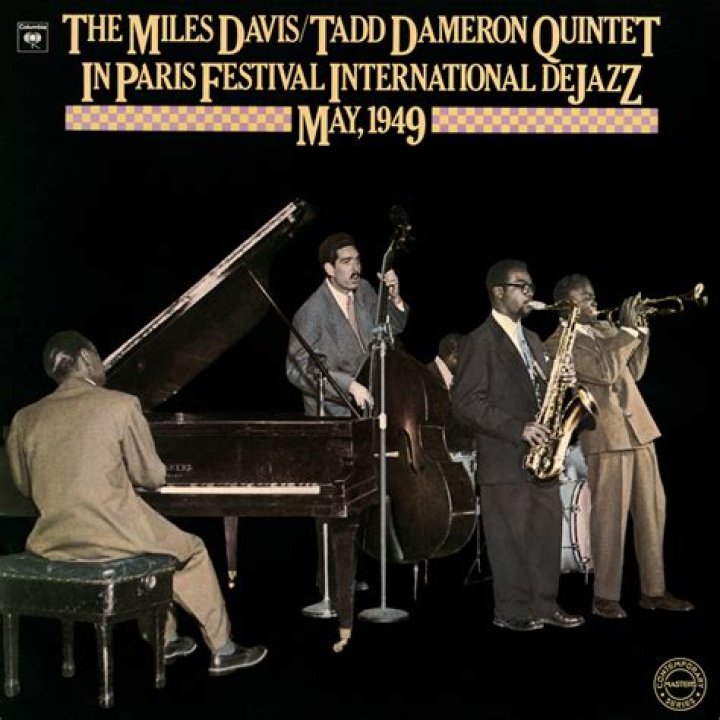
Miles Davis, a name synonymous with innovation in the world of jazz, has left an indelible mark on the genre. His ability to adapt and transform jazz into something entirely new has made him a pivotal figure in music history. Known for his distinctive trumpet sound and his revolutionary approach to music, Davis has managed to influence generations of musicians and fans alike. His talent for blending different musical styles and pushing the boundaries of jazz has led to the creation of several sub-genres, each with its unique sound and feel.
Throughout his illustrious career, Miles Davis embraced numerous musical styles, each time bringing something fresh and exciting to the table. From bebop to cool jazz, and later to fusion, Davis never shied away from experimenting and taking risks. His willingness to explore and innovate has earned him a reputation as one of the most forward-thinking musicians of his time. By constantly evolving and challenging the status quo, Davis has kept jazz relevant and vibrant, drawing in new audiences and inspiring countless artists across various musical disciplines.
The legacy of Miles Davis is one of creativity and exploration. His influence extends far beyond the realm of jazz, touching on various aspects of contemporary music. By embracing different genres and blending them seamlessly, Davis has not only expanded the possibilities of jazz but also enriched the entire musical landscape. In this article, we will delve into the many genres embraced by Miles Davis, exploring his impact on each and understanding how his pioneering spirit reshaped the world of jazz and beyond.
Biography of Miles Davis
Miles Davis, an iconic figure in the world of jazz, was born on May 26, 1926, in Alton, Illinois. His journey from a young, enthusiastic musician to a pioneer of jazz innovation is a testament to his immense talent and unwavering dedication to his craft. Davis was known for his distinctive style, characterized by his ability to blend various musical genres seamlessly. Over his five-decade-long career, he continually reinvented himself, leaving a lasting impact on the jazz world and beyond.
Personal Details and Bio Data
| Full Name | Miles Dewey Davis III |
|---|---|
| Birth Date | May 26, 1926 |
| Birth Place | Alton, Illinois, USA |
| Death Date | September 28, 1991 |
| Occupation | Musician, Composer, Bandleader |
| Genres | Jazz, Bebop, Cool Jazz, Modal Jazz, Jazz Fusion |
| Instruments | Trumpet, Flugelhorn |
| Years Active | 1944–1991 |
Early Years and Musical Beginnings
Miles Davis grew up in a musically inclined family, with his father being a successful dentist and his mother a music teacher. Exposed to music from a young age, Davis began playing the trumpet at the age of 13. His early influences included great musicians such as Louis Armstrong and Dizzy Gillespie, whose styles helped shape Davis's initial approach to music. By the time he was 16, Davis was already performing with local bands and gaining recognition for his exceptional talent.
In the mid-1940s, Davis moved to New York City to attend the prestigious Juilliard School of Music. However, he soon found himself drawn to the vibrant jazz scene in Harlem, where he began playing alongside some of the biggest names in jazz at the time, including Charlie Parker and Thelonious Monk. These experiences provided Davis with a solid foundation and set the stage for his future success and innovation in the jazz world.
The Bebop Era
The bebop era marked a significant turning point in Davis's career. During this period, he joined the legendary Charlie Parker Quintet, where he honed his skills and developed his own unique style. Bebop, characterized by its fast tempos and complex chord progressions, required a high level of technical proficiency and creativity. Davis's contributions to the bebop movement were instrumental in shaping the genre and establishing his reputation as a leading figure in jazz.
While bebop was known for its frenetic energy, Davis brought a sense of restraint and lyricism to the style, setting him apart from his contemporaries. His melodic approach and ability to convey deep emotions through his trumpet playing resonated with audiences and critics alike. As Davis continued to experiment and push the boundaries of bebop, he laid the groundwork for the next phase of his career: cool jazz.
Cool Jazz and the Birth of a New Sound
In the late 1940s and early 1950s, Miles Davis began to move away from the frenetic pace of bebop and towards a more relaxed and introspective style known as cool jazz. This new sound was characterized by its emphasis on melody, harmony, and subtlety, as well as its use of orchestral arrangements. Davis was a key figure in the birth of cool jazz, collaborating with other like-minded musicians such as Gil Evans and Gerry Mulligan to create a sound that was both sophisticated and accessible.
One of Davis's most significant contributions to the cool jazz movement was the release of the groundbreaking album "Birth of the Cool" in 1957. This album showcased Davis's innovative approach to jazz, blending elements of classical music with the improvisational nature of jazz to create something entirely new. The success of "Birth of the Cool" cemented Davis's status as a leading figure in the jazz world and paved the way for further experimentation and innovation in the genre.
Modal Jazz and its Impact
In the late 1950s, Miles Davis once again revolutionized the world of jazz with the introduction of modal jazz. This new approach to music focused on using scales, or modes, as the basis for improvisation rather than relying on complex chord progressions. Modal jazz allowed musicians greater freedom to explore new musical ideas and express themselves in unique ways.
The release of "Kind of Blue" in 1959 is widely regarded as one of the most important albums in the history of jazz, and a prime example of modal jazz. Featuring an all-star lineup that included John Coltrane, Bill Evans, and Cannonball Adderley, "Kind of Blue" showcased Davis's ability to create a deeply emotional and atmospheric sound that resonated with listeners around the world. The album's success further solidified Davis's reputation as a trailblazer in the jazz world and inspired countless musicians to explore the possibilities of modal jazz.
The Fusion Movement
As the 1960s progressed, Miles Davis continued to push the boundaries of jazz, exploring new musical territories and incorporating elements of rock, funk, and electronic music into his work. This period marked the beginning of the jazz fusion movement, which sought to blend the improvisational nature of jazz with the energy and excitement of popular music genres.
Davis's exploration of fusion is perhaps best exemplified by his 1970 album "Bitches Brew," which is widely regarded as a landmark in the development of jazz fusion. The album's complex arrangements, extended improvisations, and use of electronic instruments created a sound that was both innovative and captivating. "Bitches Brew" not only expanded the possibilities of jazz but also attracted a new generation of listeners, further cementing Davis's status as a musical pioneer.
Electric Period and Experimental Sounds
The electric period of Miles Davis's career saw him embracing new technologies and experimenting with electronic instruments to create a sound that was both futuristic and deeply rooted in the traditions of jazz. During this time, Davis collaborated with a wide range of musicians, including guitarists like John McLaughlin and saxophonists like Wayne Shorter, to create music that was both innovative and engaging.
Albums such as "On the Corner" and "Agharta" showcased Davis's willingness to explore new sounds and push the boundaries of what was possible in jazz. By incorporating elements of funk, rock, and electronic music into his work, Davis not only expanded the possibilities of jazz but also paved the way for future generations of musicians to explore new musical territories.
Later Years and Continued Innovation
In the later years of his career, Miles Davis continued to evolve and explore new musical styles, collaborating with a wide range of artists and incorporating elements of pop, hip-hop, and world music into his work. Despite facing health challenges and personal setbacks, Davis remained committed to his craft and continued to push the boundaries of jazz until his passing in 1991.
One of the most notable projects from this period is the album "Tutu," released in 1986. This album showcased Davis's ability to adapt to the changing musical landscape, blending elements of electronic music and contemporary pop with his signature trumpet sound. "Tutu" not only demonstrated Davis's continued relevance in the music world but also served as a testament to his unwavering commitment to innovation and exploration.
Legacy and Influence on Modern Music
The legacy of Miles Davis is one of creativity, innovation, and exploration. His willingness to embrace new musical styles and push the boundaries of jazz has left a lasting impact on the genre and the wider music world. Davis's influence can be seen in a wide range of musical styles and artists, from jazz and rock to hip-hop and electronic music.
Many contemporary musicians cite Davis as a major influence, drawing inspiration from his innovative approach to music and his ability to blend different genres seamlessly. His work has inspired countless artists to explore new musical territories and challenge the status quo, ensuring that his legacy will continue to shape the world of music for generations to come.
Personal Life and Insights
Miles Davis's personal life was as complex and multifaceted as his music. Throughout his life, Davis faced numerous challenges, including struggles with addiction and personal relationships. Despite these challenges, he remained dedicated to his craft and continued to push the boundaries of jazz.
Davis was known for his enigmatic personality and his ability to captivate audiences with his performances. His passion for music and commitment to innovation were evident in every aspect of his life, from his distinctive trumpet sound to his unique approach to composition and arrangement.
Awards and Recognition
Throughout his career, Miles Davis received numerous awards and accolades for his contributions to the world of music. He was a recipient of multiple Grammy Awards, including a posthumous Lifetime Achievement Award in 1992. Davis was also inducted into the Rock and Roll Hall of Fame in 2006, further cementing his status as a musical icon.
In addition to these accolades, Davis's work has been recognized by countless musicians, critics, and fans around the world. His influence on the world of jazz and beyond is undeniable, and his legacy continues to inspire new generations of artists and musicians.
Discography Highlights
Miles Davis's discography is a testament to his incredible talent and unwavering commitment to innovation. Some of his most notable albums include:
- "Birth of the Cool" (1957) - A groundbreaking album that helped define the cool jazz movement.
- "Kind of Blue" (1959) - Widely regarded as one of the greatest jazz albums of all time, "Kind of Blue" introduced the world to modal jazz.
- "Bitches Brew" (1970) - A landmark album in the development of jazz fusion, blending elements of rock, funk, and electronic music.
- "Tutu" (1986) - An album that showcased Davis's ability to adapt to the changing musical landscape and incorporate contemporary influences into his work.
Frequently Asked Questions
What genres did Miles Davis embrace during his career?
Miles Davis embraced a wide range of genres throughout his career, including bebop, cool jazz, modal jazz, jazz fusion, and elements of funk, rock, and electronic music.
What is Miles Davis's most famous album?
"Kind of Blue" is widely regarded as Miles Davis's most famous album and is considered one of the greatest jazz albums of all time. It introduced the world to modal jazz and featured an all-star lineup of musicians.
How did Miles Davis influence modern music?
Miles Davis's innovative approach to music and willingness to explore new genres have left a lasting impact on the world of music. His influence can be seen in a wide range of musical styles, from jazz and rock to hip-hop and electronic music.
What was Miles Davis's contribution to jazz fusion?
Miles Davis was a key figure in the development of jazz fusion, blending elements of rock, funk, and electronic music with the improvisational nature of jazz. His album "Bitches Brew" is considered a landmark in the development of the genre.
Did Miles Davis win any awards during his career?
Yes, Miles Davis received numerous awards and accolades throughout his career, including multiple Grammy Awards and a posthumous Lifetime Achievement Award. He was also inducted into the Rock and Roll Hall of Fame in 2006.
What was unique about Miles Davis's trumpet playing style?
Miles Davis was known for his distinctive trumpet sound, characterized by its smooth, melodic approach and ability to convey deep emotions. His style set him apart from his contemporaries and became a hallmark of his career.
Conclusion
The legacy of Miles Davis is one of innovation, exploration, and creativity. His willingness to embrace new musical styles and push the boundaries of jazz has left an indelible mark on the world of music. From bebop to cool jazz, modal jazz to jazz fusion, Davis continually reinvented himself and expanded the possibilities of jazz, inspiring countless musicians and audiences along the way.
As we look back on the incredible career of Miles Davis, it is clear that his influence extends far beyond the realm of jazz. His work has touched on various aspects of contemporary music, enriching the entire musical landscape and paving the way for future generations of artists to explore new musical territories. The revolutionary genre embraced by Miles Davis continues to inspire and captivate, ensuring that his legacy will endure for years to come.
For more information on the life and work of Miles Davis, visit the official Miles Davis website.